Chronic obstructive pulmonary disease (COPD), stroke, heart disease, and dementia are among the 10 leading causes of death globally, contributing to 33 million deaths in 2023 (1). Different types of rehabilitation programs are often included as a part of the management plan for these conditions (2-6). What does the research say about the effects of some of these programs?
Click on the links below to learn more.
Pulmonary rehabilitation generally combines components such as exercise, education, and lifestyle modifications. While it’s often delivered in clinical settings, such as hospitals, it can also be available in home- and community-based settings (2;7). Research shows that pulmonary rehabilitation can improve breathing and quality of life in people living with COPD compared to no treatment. There’s even some evidence that home- and community-based pulmonary rehabilitation may be as effective as hospital-based rehabilitation for improving these outcomes, among others (2). What’s more, advancing technology—mobile apps, websites, etc.—can make it easier for people to participate in pulmonary rehabilitation at home and may even improve outcomes like exercise endurance and quality of life (8;9).
Cognitive rehabilitation is a tailored, multi-step strategy for people living with dementia. It involves identifying daily activities that a person would like to improve, developing a plan with a cognitive rehabilitation practitioner to help achieve these goals, and implementing this plan (3;10). Research shows that cognitive rehabilitation can produce large improvements in everyday functioning for up to 12 months in people living with mild‐to‐moderate dementia compared to usual care. More research is needed to strengthen our confidence in this finding and identify the best way to deliver cognitive rehabilitation (3).
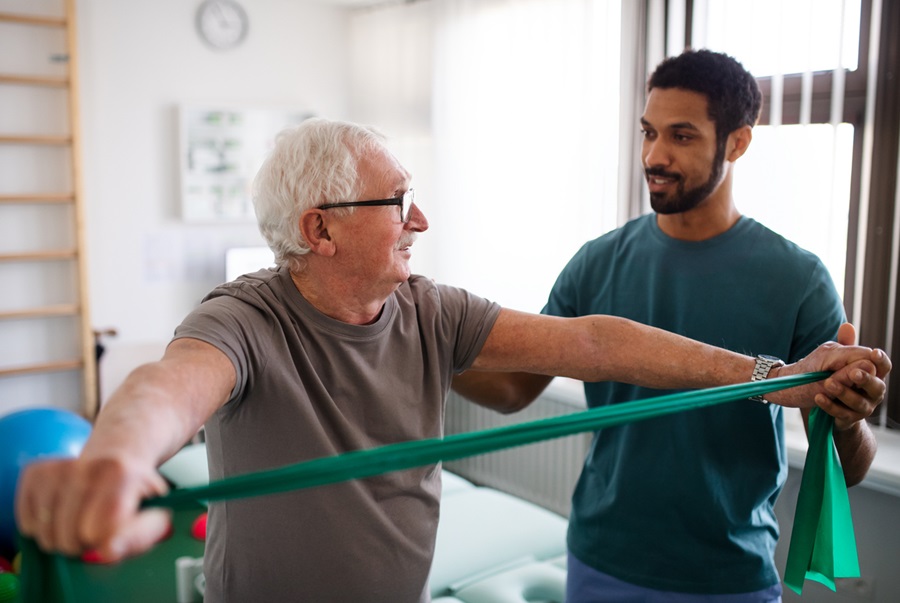
Physical rehabilitation aims to help people who’ve had a stroke regain independence by recovering their movement and function. These programs are generally delivered by physiotherapists. Research suggests that, compared to no physical rehabilitation, stroke survivors who participate in physical rehabilitation may see long-term improvements in leg movement and their ability to perform activities of daily living independently, as well as potential short-term improvements in balance and walking speed. More research is needed to increase confidence in these findings (4).
Cardiac rehabilitation aims to help people living with heart disease maintain or return to functioning. It can consist of one or more components, such as exercise, education, managing risks, and psychological support, and can be delivered in hospitals, community centres, or at home (5;6;11). Research shows that home‐based cardiac rehabilitation can be comparable to supervised centre-based cardiac rehabilitation for outcomes like improving exercise capacity, number of deaths, and health-related quality of life in adults living with heart disease. More research is needed on the long-term effects of home-based programming (5). Other research shows that cardiac rehabilitation that focuses on exercise can reduce the risk of heart attack and hospital admission, while also improving health-related quality of life in people living with coronary heart disease compared to no exercise (6).
A variety of rehabilitation programs are available to help people manage different health conditions. Discuss all available options with your healthcare team. Together, you can determine which program is right for you, how it can be tailored to meet your needs, the most appropriate setting and level of supervision to support your safe participation, any potential costs, and whether referrals to specific programs are needed.