
This past Tuesday, October 20, was World Osteoporosis Day. Most of the coverage you'll see focuses on loss: thinning bones, worrying statistics, and fractures. Those numbers are real. More than 2.3 million Canadians live with osteoporosis, and it's behind over 80% of broken bones in people aged 50 and over. It's often called the "silent thief" because there are usually no symptoms until a bone breaks.
But there's another side to the story that doesn't get nearly as much attention. Your skeleton isn't a fixed structure that simply wears down with time. Old bone is constantly being broken down and replaced with new bone, and that process keeps responding to the signals you send it. Here's what the research on the Portal tells us your bones respond to.
1. Give your bones something to push against
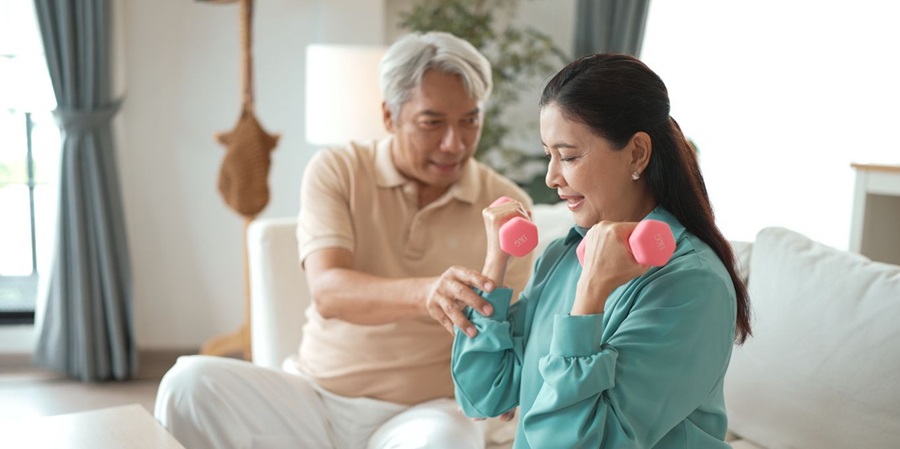
Bones get stronger when they're asked to carry load. A recent systematic review featured on the Portal looked at how different types of exercise affect bone density in women who've gone through menopause. Resistance training, like weights or elastic bands, improved bone density in the lower spine and hip. Impact exercise, like skipping or jumping, helped the hip overall. Mind-body activities such as tai chi, yoga, and Pilates also showed benefits.
The strongest results came from combining types, for example pairing strength work with tai chi or yoga. People who stuck with a program for at least a year saw the most consistent improvements. And women with and without osteoporosis saw similar benefits. Read more in Exercise following menopause: What works for bone health?
2. Keep walking, then add to it
Walking is a fantastic foundation, but bones need more. In our spring webinar, physical therapist Dr. Marla Beauchamp was clear on this point: walking alone generally isn't enough to maintain muscle strength, challenge your balance, or preserve bone density. Her advice is to keep the walks and add two sessions a week of strength and balance work.
That doesn't require a gym. Sit-to-stands from a chair, heel raises, and mini squats all count. Watch Walking your way to better health after age 65 and download the free handout of standing leg exercises.
3. Protect your balance, protect your bones
A strong bone is less likely to break, but a fall that never happens is better still. Most fractures in later life follow a fall. Exercises that challenge your balance, and the leg strength that steadies you, are some of the best bone protection there is.
If you're looking for something a little different, judo programs designed for older adults have been shown to improve balance, strength, and flexibility, and they teach you how to fall more safely. Learn more in Judo for older adults: Learning to fall (safely). You can also download a falls prevention checklist from our bone health webinar with Dr. Alexandra Papaioannou (linked below).
4. Feed the whole team: calcium, vitamin D, and protein
Calcium builds bone, vitamin D helps your body absorb it, and protein supports the muscle that protects your skeleton. As the days get shorter here in Canada, our skin makes less vitamin D from sunlight, which makes this a good season to think about your intake. In the Portal's webinar on promoting bone health, Dr. Papaioannou recommends getting enough calcium, vitamin D, and protein, and notes a minimum vitamin D supplement of 400 IU per day. Your provider can help you decide what's right for you.
Protein is the one people tend to overlook. McMaster's Dr. Stuart Phillips explains that many older adults don't get enough, and that spreading protein across the day, especially at breakfast, helps aging muscles respond better. See his sample meal plans in Prescriptions for aging well: Muscle, strength and protein matter.
5. Know your own risk
Your age, health history, medications, past falls, and any previous fractures all shape your risk. That's why there isn't a single plan that fits everyone. If you're unsure where you stand, ask your health care provider about a fracture risk assessment. They can talk you through testing and, if needed, treatment options based on your situation. If you've already broken a bone after a minor fall, it's worth raising sooner rather than later. Read Worried about breaking a bone? 5 tips you should know before it happens to prepare for that conversation.
It's not too late
Whether you're thinking about prevention or already living with osteoporosis, the message from the research is encouraging: what you do this year still matters to your bones. Pick one thing to start with, like two short strength sessions a week or protein at breakfast, and build from there.
November is Fall Prevention Month, and we'll have more on staying steady on your feet as winter arrives.