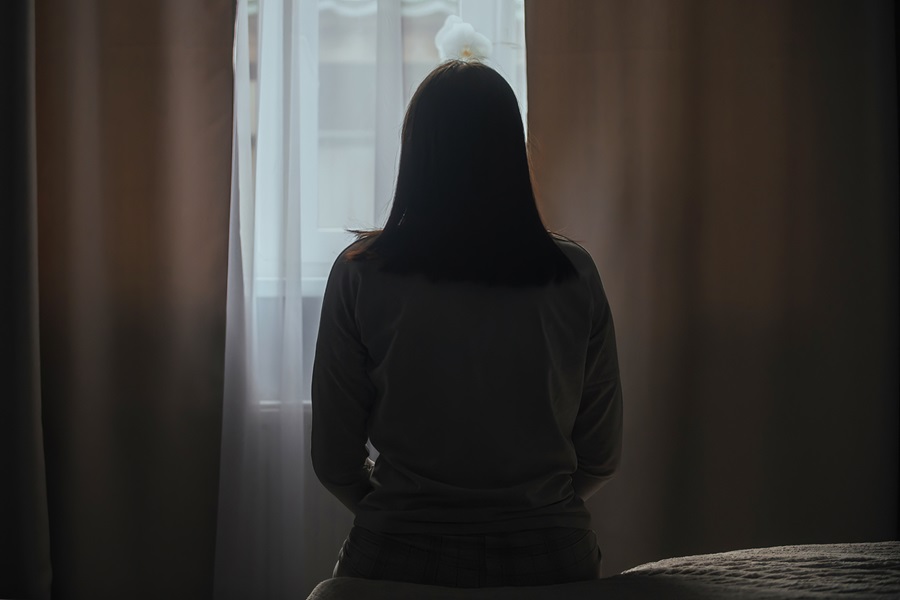

As the days get shorter and the nights grow longer here in Canada, many of us feel a shift in our mood and energy levels. It's not just "the winter blues" – for some, it's a real condition called Seasonal Affective Disorder (SAD).
SAD is a type of depression related to changes in seasons. It typically starts in the fall and continues into the winter months, often bringing feelings of sadness, low energy, and loss of interest in activities we usually enjoy.
Here are some tips to help you manage SAD and support your mental wellness this fall and winter:
- Let the light in: Make the most of daylight hours. Open your curtains, sit by windows, and get outside for a walk, even if it's cloudy.
- Brighten up your home: Increase indoor lighting with brighter bulbs, especially in the morning.
- Stay active: Regular exercise is a mood booster! Aim for at least 30 minutes of moderate-intensity exercise most days of the week.
- Nourish your body: Eat a balanced diet with plenty of fruits, vegetables, and whole grains.
- Prioritize sleep: Stick to a regular sleep schedule and create a relaxing bedtime routine.
- Connect with others: Social interaction can help combat feelings of isolation. Spend time with loved ones, join a group, or volunteer in your community.
- Seek professional support: If you're struggling, don't hesitate to talk to your doctor or a mental health professional.
Remember, you're not alone. SAD is a common condition, and there are many ways to manage it and protect your mental well-being throughout the shorter days.