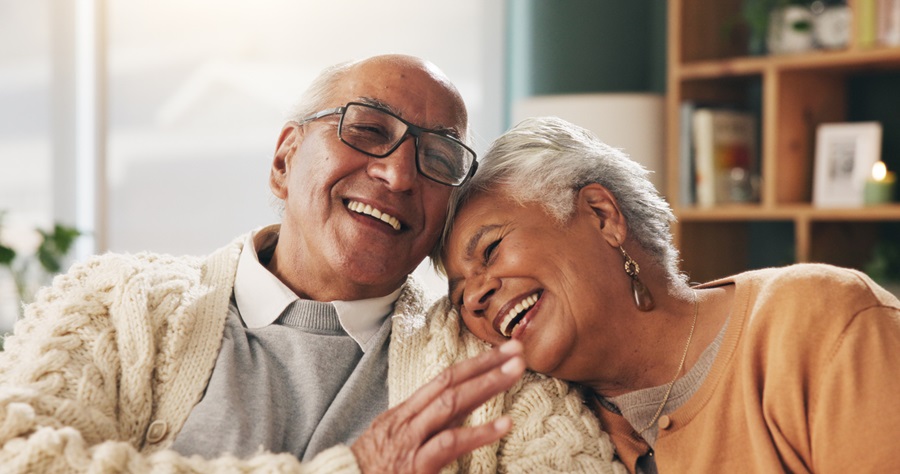

Every year on August 21, calendars quietly mark World Senior Citizens Day. It doesn't come with fireworks or a day off work, and many people pass it without noticing. But the idea behind it is worth pausing for: a day set aside to recognize the people who have spent decades raising families, building careers and holding communities together, and who continue to contribute every single day.
The day was first proclaimed in 1988 and observed the following year, meant as a simple moment to honour older adults and the value they bring to the rest of us. Almost four decades later, that reminder has aged well.
Here's a thought for this year's version. The most meaningful way to mark it isn't a card or a "seniors' discount." It's connection — the everyday kind, given and received.
Why connection is more than a nice-to-have
Staying socially connected turns out to be one of the most powerful things we can do for our health as we grow older, and the research backs that up. On the McMaster Optimal Aging Portal, the evidence is consistent: social connections play a real role in healthy aging, shaping both physical and mental well-being.
The catch is that connection often becomes harder at exactly the stage of life this day celebrates. Retirement quietly removes the built-in company of coworkers. The loss of a spouse or close friends leaves gaps that are hard to fill. Even something practical, like giving up driving, can slowly shrink a person's world to the size of their living room.
None of that makes isolation inevitable — and that's the encouraging part. The research summarized on the Portal shows that connection can be rebuilt, usually through small, manageable steps rather than grand gestures. Home-based approaches have been shown to reduce loneliness. Getting active with others improves social functioning. Even a tablet or a phone, used the right way, can help keep relationships alive across distances.
A few ways to lean into it this year
You don't need a program or a resolution. Pick one that fits:
Reach out to one person. A single phone call, a coffee, or a "thinking of you" text. Connection compounds — one conversation often leads to the next.
Move with company. A walking group, a stretch class, or a stroll with a neighbour. You get physical activity and social connection in one go, and the evidence suggests both matter.
Share what you know. Volunteering, mentoring, and intergenerational programs remind older adults of something a birthday card can't: that they're still needed. Being valued is its own kind of medicine.
Let technology close the gap. Video calls with grandkids, an online interest group, or a family chat thread. It won't replace a hug, but it keeps people in each other's daily lives.
Do something hands-on together. Gardening, a community kitchen, an arts class, or a reminiscence group at the local centre. Shared activity is often an easier doorway to connection than "let's catch up" ever is.
The point of the day
World Senior Citizens Day is, at its heart, a thank-you to parents and grandparents, mentors and neighbours, and older adults who keep showing up for those around them. The best way to honour that is to make sure they feel it: seen, included, and part of things.
If you'd like ideas grounded in research rather than guesswork, the Portal's social health resources are a good place to start, and our earlier piece, Conquering loneliness and isolation as you age, digs deeper into what actually helps.
And if there's an older adult who's been on your mind, today is as good a day as any to pick up the phone. More than any card, that's what the day is really for.