

⏱ 2 min read, 50 min video
High blood pressure is one of the most common health conditions affecting older adults. About 1 in 4 Canadian adults live with high blood pressure, but not everyone knows it. That is because high blood pressure is often called a “silent” condition. Most people feel perfectly well, even when their blood pressure is elevated. There may be no warning signs, symptoms, or changes in how you feel. Yet over time, uncontrolled high blood pressure can increase the risk of heart disease, stroke, kidney disease, and dementia. The good news is that high blood pressure can be detected, monitored, and treated effectively.
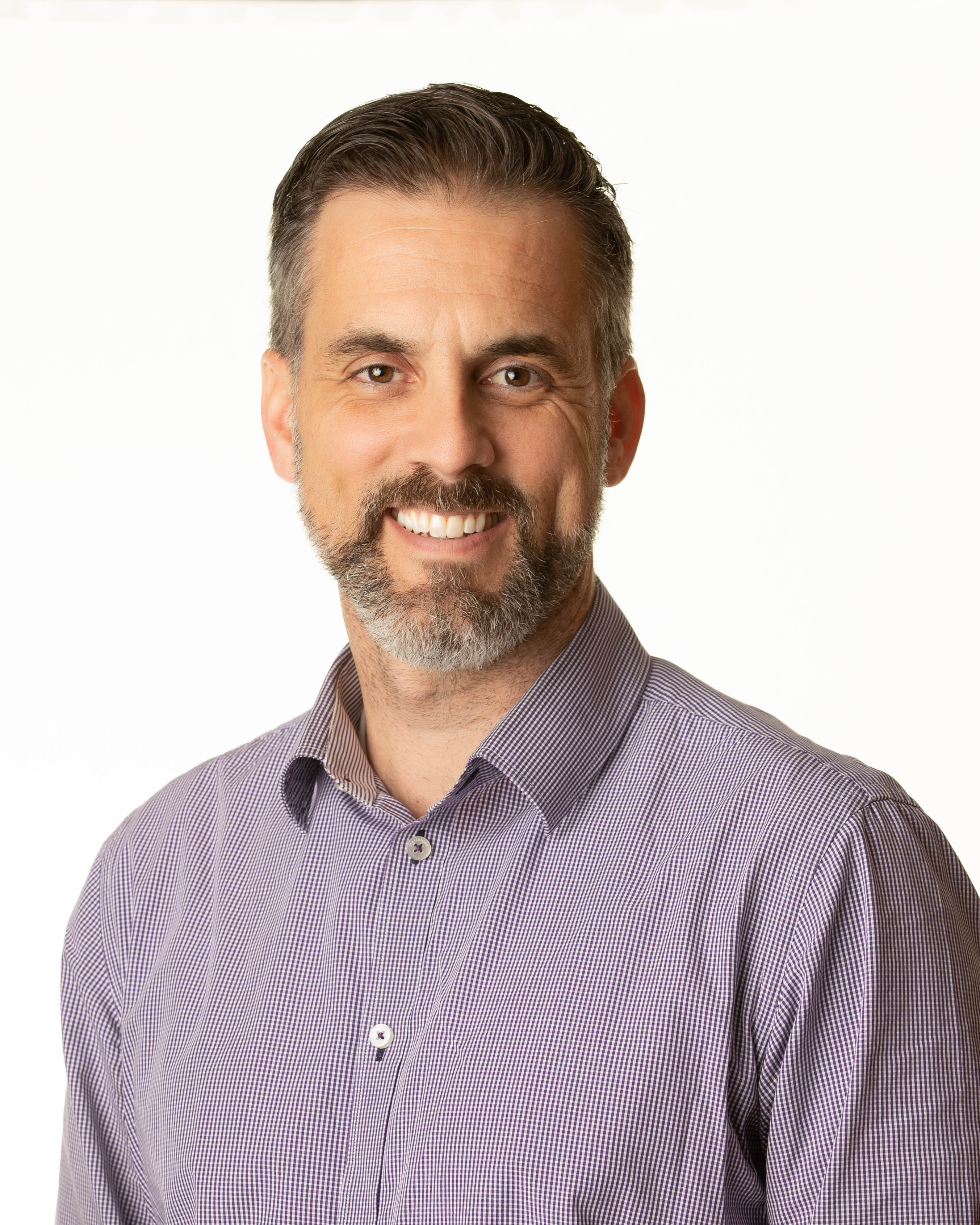
In this must-see recording, family physician Dr. Doug Oliver explains what blood pressure numbers mean, why the new Canadian guideline has a target of 130 over 80, and how lifestyle changes and medications can help protect your long-term health.
View or download a transcript.
Highlights include:
- New blood pressure guidelines explained (00:00)
- What is hypertension? (02:44)
- High blood pressure in Canada (04:46)
- Why blood pressure increases with age (06:59)
- High blood pressure symptoms (07:50)
- Understanding your blood pressure numbers (09:28)
- Why 130/80 is the new target (11:04)
- White coat hypertension (14:02)
- Measuring blood pressure correctly (15:05)
- Diagnosing hypertension (17:19)
- Treating hypertension (20:02)
- Lifestyle changes that lower blood pressure (22:17)
- Blood pressure medications explained (25:47)
- Secondary hypertension (31:49)
- Lifestyle changes and medication (32:49)
- Why blood pressure readings vary (35:52)
- Systolic vs diastolic pressure (39:00)
- Medication side effects (39:56)
- When medications don’t work (42:44)
- Can blood pressure be too low? (43:55)
- Which lifestyle change helps most? (45:44)
6 key takeaways
- High blood pressure often has no symptoms.
- A diagnosis of hypertension is now made when blood pressure is above 130/80.
- A single high reading does not mean you have hypertension.
- Home blood pressure monitoring is now a key part of diagnosis.
- Lifestyle changes remain the foundation of treatment.
- Treating high blood pressure helps protect your heart, brain, kidneys, and ability to stay independent.
Tell us what you think
Give us your feedback on this content by answering a few questions. Your participation will help us improve this resource. Take the survey.
_jpg.jpg?sfvrsn=bcb0dd6_2)