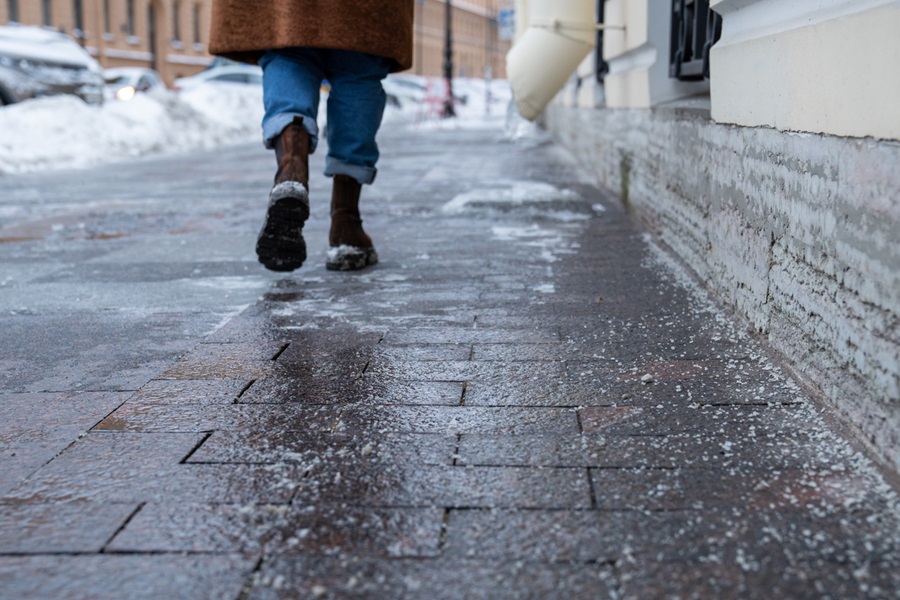

With winter still in swing, icy sidewalks and snowy driveways remain a daily hazard across much of Canada. Falls are one of the leading causes of injury among older adults but the good news is many winter-related falls can be prevented with a few practical steps.
Here’s how to lower your risk while staying active and independent this season.
Choose the right footwear
Proper footwear makes a significant difference. Look for boots with:
· Non-slip, rubber soles
· Good tread
· Low, wide heels
· Adequate ankle support
Ice grippers that attach to your boots can provide added traction, especially on particularly icy days.
Slow down and plan ahead
Rushing increases your risk of slipping. Give yourself extra time to get where you’re going. Take shorter steps and walk with a slightly wider stance to improve stability.
If possible, choose routes that are well-cleared and well-lit. Don’t hesitate to ask for help with errands on especially icy days.
Keep hands free
Avoid carrying too many items at once. Keeping your hands free can help you maintain balance or steady yourself if needed. Use a backpack or cross-body bag instead of handheld bags.
If you use a mobility aid such as a cane or walker, make sure it’s equipped with an ice tip designed for winter conditions.
Maintain strength and stability
Strength and balance exercises—such as chair stands, heel raises, or tai chi—can reduce fall risk and improve confidence. Staying active indoors during the winter months can help you remain steady outdoors.
Fall prevention also extends beyond what we wear and how we move. Overall health plays a role. For example, vitamin D has been studied for its potential connection to falls in older adults, particularly in those who may be deficient. While research continues to evolve, it highlights an important point: fall prevention is multi-factorial and may include lifestyle, environmental, and nutritional considerations.
If you have concerns about your risk of falling, speaking with your healthcare provider can help you understand which strategies are most appropriate for you.
Make your home safer
Many winter falls happen close to home. Keep walkways, stairs, and driveways clear of snow and ice. Use salt or sand to improve traction. Indoors, remove clutter and ensure entryways are dry to prevent slipping on melted snow.
To learn more about ways you can prevent falls, read through our resources below.