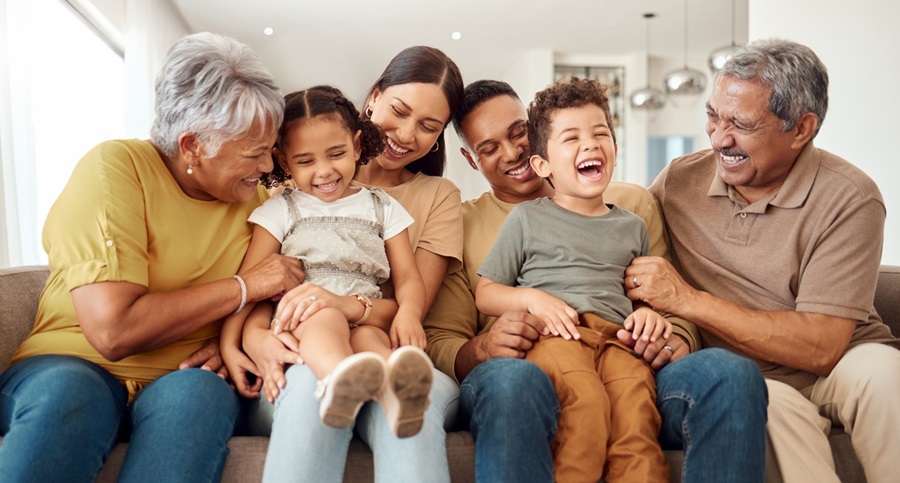

As we age, both expected and unexpected life changes can disrupt our routines, possibly even affecting health and well-being. Major life transitions—such as retiring, becoming a grandparent, losing a loved one, caring for another person, or moving to a new home—can disrupt our sense of purpose and stability. Even positive changes, like becoming a grandparent, require adaptation as they involve adjustments to new family roles and responsibilities. These transitions can influence social networks, opportunities for engagement, and quality of life. As a result, maintaining strong social connections during such transitions is crucial, as social participation can support better physical, mental, and cognitive health outcomes in later life.
Becoming a grandparent is a particularly meaningful transition, emphasizing the joys and complexities of aging. In 2017 in Canada, 7.5 million people were grandparents, with the average age of all grandparents being 68 years, and the average age for first-time grandparents being 52.1Grandparenthood can provide a renewed sense of happiness, identity and purpose, and can often strengthen intergenerational bonds.
Despite the positive aspects, grandparenting can also be challenging. Complex family structures, like blended or reconstituted families, can create dynamics requiring adjustments. Some grandparents may face changes in their relationships or living arrangements, further complicating this period of transition. Grandparents may also struggle to find a balance between the desire to be involved and supportive while also prioritizing their own needs for autonomy and social engagement, emphasizing the importance of social connectedness and maintaining engagement in meaningful activities to support health and wellbeing.
What the evidence says
An evidence synthesis on grandparenting, health and wellbeing published in 2022 found that the effects of grandparenting on health and wellbeing vary depending on the type and intensity of the role grandparents play.2 Specifically, when grandparents take on full-time caregiving, the demanding nature of this role is often linked to higher stress levels and worse physical and mental health. Similarly, grandparents living in three-generation households can have mixed impacts: offering companionship and purpose while also potentially leading to strain if responsibilities from household dynamics become overwhelming.
On the other hand, grandparents who are actively involved with their grandchildren but maintain their own households tend to experience more positive outcomes, likely due to their ability to retain autonomy over their routine and prioritize other ways to stay socially connected.2 Such grandparents tend to report being happier and having a stronger sense of meaning and connection in their lives. Overall, the key appears to be finding a sense of balance between staying engaged and supportive without overextending oneself to the point of stress and exhaustion. This research suggests that while grandparenting can enrich life and strengthen family bonds, the benefits for many are best achieved when they can remain socially connected, maintain independence, and have time and energy to prioritize their own wellbeing.
Finding balance and staying connected
Grandparenting can be a joy, but it can be easy to give so much that you stretch yourself thin. Setting boundaries and communicating openly can help ensure you find balance to prioritize your own wellbeing and ensure your relationships remain positive.
- Take care of yourself first
- Make time to prioritize reset, hobbies, and friendships outside of the family
- Schedule regular “me time” like reading, going for a walk, or socializing with friends to recharge
- Remember: caring for yourself allows you to give more to others
- Communicate openly and respectfully
- Be honest with your adult children about how and when you prefer to help
- Directly ask them what types of support they find most useful – preparing a meal or helping around the house may be even more valuable to them than childcare
- Be an active listener and respect their parenting choices, even when you might do things differently
- Set clear boundaries and expectations
- Agree on routines, household rules, and schedules to reduce misunderstandings
- Be realistic and upfront about your availability and what you can offer
- Say no when needed so that you prevent burnout and keep relationships healthy
- Maintain your own identity and independence
- Stay involved in your community or volunteer activities to nurture other social connections
- Keep up friendships and hobbies that nurture a sense of purpose beyond family ties
- Bringing new experiences from outside the home can enrich your family relationships as well
- Nurture mutual understanding across generations
- Respect differences in values, culture, and parenting practices that might exist
- Avoid criticism in front of children, instead focusing on encouragement
- Express gratitude for your role in the family, as it can build trust and understanding about what you value
By finding balance and communicating clearly, grandparents can find joy in close family relationships while also maintaining their own identity and wellbeing. Healthy boundaries and social engagement outside the family can help sustain stronger relationships across generations within the family.
Learn more about the importance of different transitions in later and staying socially connected during these transitions with more blogs from our Transitions in Later Life series, brought to you in part by the Montreal Regional Public Health Department through Réseau Résilience Aîné.es Montréal, and through the other resources listed below!
-cropped0a1c75a5389865188b9fff000027d16b.jpg?sfvrsn=cd8410d6_0)