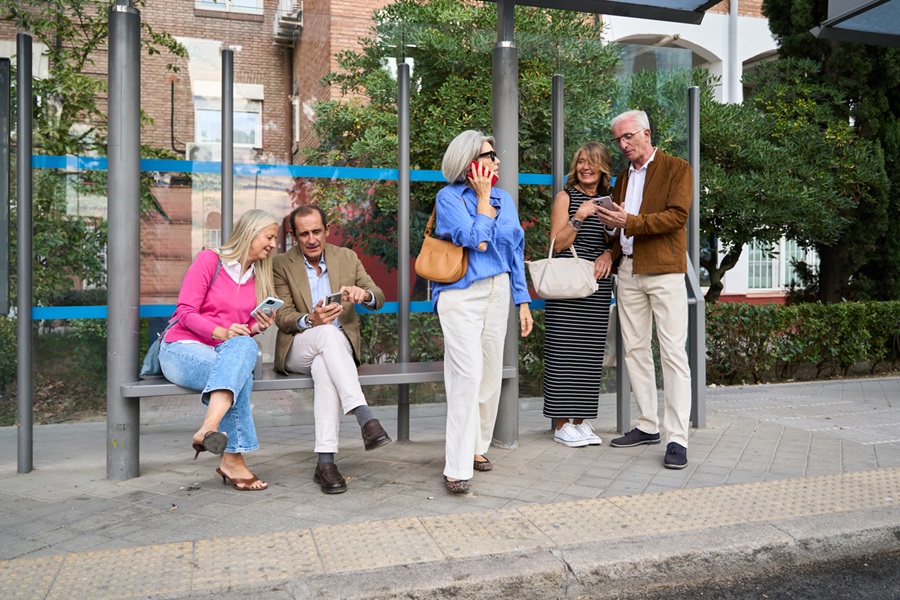

As we age, both expected and unexpected life changes can disrupt our routines, possibly even affecting health and well-being. Major life transitions—such as retiring, becoming a grandparent, losing a loved one, caring for another person, or moving to a new home—can disrupt our sense of purpose and stability. Big changes like having our driving privileges taken away or choosing to stop driving can elicit strong emotions like frustration or sadness about a perceived loss of freedom. These transitions can influence social networks, opportunities for engagement, and quality of life. As a result, maintaining strong social connections during such transitions is crucial, as social participation can support better physical, mental, and cognitive health outcomes in later life.
While driving can provide clear benefits for older adults, including the independence it can bring, risks associated with driving can lead to severe consequences including motor vehicle collisions.1 Although these risks are up to three-times greater for older adults with dementia, age-related changes other than cognitive impairments can make driving more difficult and less safe, highlighting the importance of being proactive about deciding when to stop driving. Luckily, with the right supports and advance planning, older adults can more comfortably transition away from driving while maintaining social engagement and quality of life.
What the evidence says
An evidence synthesis conducted in 2017 included three studies on interventions designed to facilitate driving cessation in older adults (with or without dementia). The evidence synthesis found that driving-cessation support groups can be a helpful way to decrease depressive symptoms related to driving cessation for drivers with dementia who lost their driving privileges.1 Additionally, providing information pamphlets to caregivers of older adults helped improve the ability of older adults to cope with the transition to driving cessation. While this evidence is limited, it does highlight the importance of being proactive and providing support to older adults who are transitioning away from driving.
Life after driving – thinking ahead and staying connected
Driving cessation can be a major life transition that brings stress, perceived loss of independence, and emotional challenges for older drivers and their loved ones. However, early planning, supportive networks, and engagement from health and community organizations can help ease this transition, helping older adults maintain wellbeing and stay socially engaged.2,3 Some important considerations and tips for those who have already stopped driving or are considering are listed below.
Start preparing before you need to stop driving
- Begin exploring other transportation options – new transportation habits are often easier to initiate when you are still physically and cognitively fit and easier to maintain afterwards
- Gradually decrease the amount you drive – try replacing one weekly car trip with walking, biking, or public transportation to build confidence in and comfort with these other methods
- Take advantage of free or discounted public transportation options that might exist in your community
Plan routes in advance
- Identify the nearest bus, metro, train or shuttle stops in your community, as well as benches or other rest spots located along the way
- Try using transit apps to practice route planning before relying on the routes
- Do trial runs with a friend or family member when you try using a new route or transportation method
Build habits slowly
- Small routine changes like walking to nearby services or combining errands into one trip using transit can help work towards bigger shifts in your transportation habits
- Experiment with different methods like carpooling, bicycles, electric bikes, scooters, to discover what you feel most comfortable with
- Reflect on when you might want to stop driving and discuss it openly with family members
Stay connected
- Ask trusted friends and family to help you explore or test out new transportation options
- Build a circle of ‘mobility partners’ who can walk with you, share rides or help with errands
- Keep a list of local shuttle services, taxi numbers, and carpooling contacts with you so you have back-up options available
Driving cessation can seem like a burden, but sometimes there are also benefits to giving up driving – like avoiding repairs, winter maintenance, parking, and car/insurance payments. By preparing early for driving cessation, exploring options with the help of family and friends, and building new transportation habits slowly, older adults can better adapt to or prepare for driving cessation while staying connected!
Learn more about the importance of different transitions in later life and staying socially connected during these transitions with more blogs from our Transitions in Later Life series, brought to you in part by the Montreal Regional Public Health Department through Réseau Résilience Aîné.es Montréal, and through the other resources listed below!
-cropped0a1c75a5389865188b9fff000027d16b.jpg?sfvrsn=cd8410d6_0)