
July 24 is International Self-Care Day. The date carries a small piece of meaning: it points to the idea that self-care matters "24 hours a day, 7 days a week." In other words, caring for your health isn't something to save for a special occasion. It's built from everyday choices, made consistently over time.
That's a useful reframe, because the word "self-care" has drifted. It often calls to mind treats and indulgences. But when researchers talk about self-care, they mean something more practical: the everyday steps people take to maintain their health, manage minor conditions, and make informed decisions about their care. For older adults, those steps can have a meaningful effect on how well we age.
1. Staying active supports more than your body
Regular movement is one of the most consistently supported habits for aging well. It doesn't require intense exercise. Research suggests that even modest, regular activity, like a daily walk, can support heart health, mobility, balance, and mood. The key is consistency rather than intensity.
2. Social connection is a health behaviour
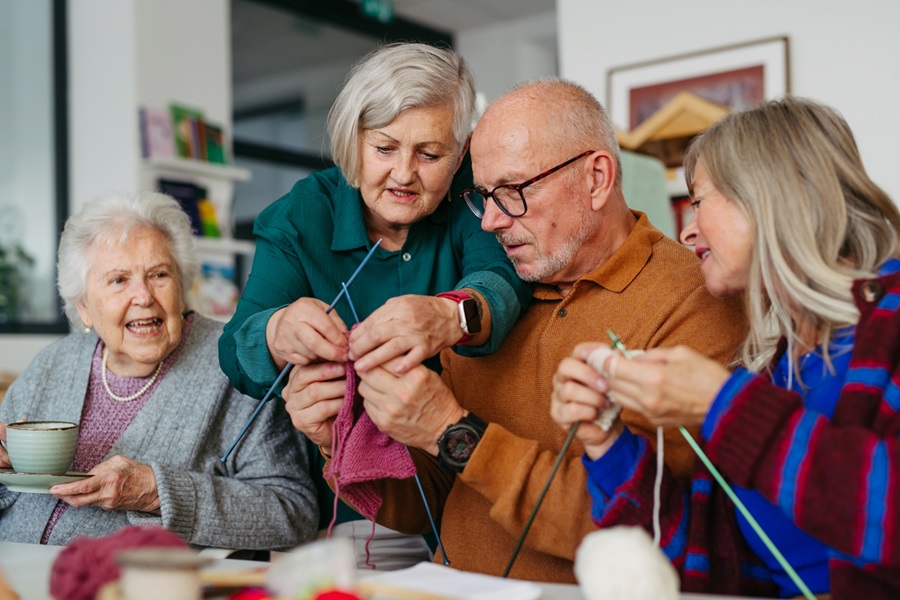
Staying connected to others is linked to better health as we age. Loneliness and social isolation are associated with a range of health risks in older adults, which is why connection is worth treating as more than a nice-to-have. A regular phone call, a shared coffee, or a community activity can each play a role in supporting wellbeing.
3. Rest and sleep are part of the plan
Sleep is when much of the body's maintenance happens. Difficulty sleeping becomes more common with age, but rest remains important for memory, mood, and overall health. Protecting a consistent sleep routine is a straightforward form of self-care that's easy to overlook.
4. Being an active partner in your own care
Self-advocacy is a form of self-care. That can mean asking a follow-up question at an appointment, keeping track of your medications, or making sure you understand a care plan before you leave the office. Feeling informed and involved can make health decisions less overwhelming.
5. Choosing reliable sources of health information
Where your health information comes from matters. With so much health advice available online, it can be difficult to know what to trust. Turning to evidence-based sources helps you make decisions with more confidence and separates reliable guidance from the noise.
A steady practice, not a single day
International Self-Care Day is a helpful reminder, but the value of self-care comes from repetition. Rather than treating July 24 as a one-time event, consider it a prompt to choose one small, health-supporting habit and build on it. Over time, these everyday choices add up.