⏱ 2 min read, 50 min video
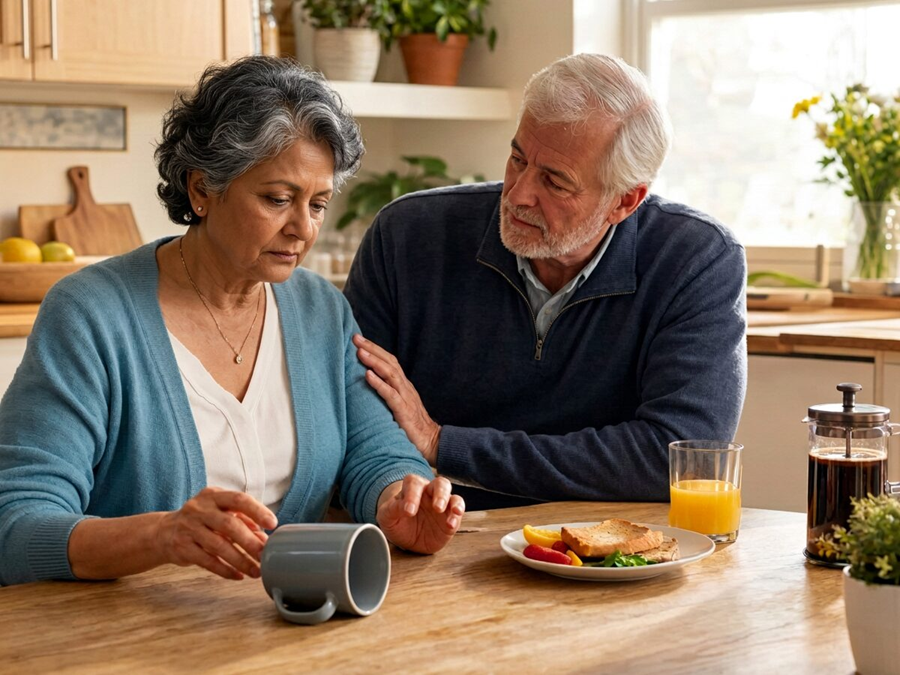
Stroke can happen suddenly, and recognizing the signs and responding quickly can make a critical difference. But what can you do to reduce your risk of stroke? In this webinar recording, neurologist Dr. Luciana Catanese discusses how to recognize the warning signs of stroke, what to do when stroke is suspected, and the steps you can take to help prevent a first or subsequent stroke.
View or download a transcript.
Highlights include:
- Stroke: What you need to know (00:00)
- Understanding stroke: What it is and why it matters (01:17)
- TIA (mini-stroke): Why symptoms that disappear are still an emergency (04:24)
- FAST and BEFAST: Signs and symptoms of stroke (06:48)
- What to do if you think someone is having a stroke (10:20)
- Stroke diagnosis and treatment: What happens at the hospital (12:53)
- Stroke unit care: Why specialized care matters (17:35)
- Stroke prevention: Risk factors you can change (19:29)
- High blood pressure, AFib, cholesterol, diabetes and lifestyle changes (21:27)
- Stroke recovery and rehabilitation: What to expect (27:55)
- Q&A: What if you have stroke symptoms while living alone? (35:12)
- Q&A: Stroke symptoms in women and younger adults (36:03)
- Q&A: Dizziness, vision changes and migraine: Could it be a stroke? (37:06)
- Q&A: TIA, minor stroke and silent stroke: What is the future risk? (39:38)
- Q&A: Managing your individual stroke risk (42:35)
6 key takeaways
- Know the signs of stroke—and act FAST. Sudden facial drooping, arm weakness or changes in speech are common warning signs. Sudden problems with balance or vision can also signal a stroke.
- Call 911 immediately if you suspect a stroke. Do not wait to see if symptoms improve and do not drive to the hospital. Rapid emergency care can preserve treatment options and reduce brain damage.
- Treat a TIA as a medical emergency. Stroke-like symptoms that disappear after a few minutes should not be ignored. A transient ischemic attack (TIA) requires urgent medical assessment.
- Know and manage your stroke risk factors. High blood pressure is a leading risk factor for stroke. Atrial fibrillation, high cholesterol, diabetes, smoking, physical inactivity and other factors can also increase risk.
- Stroke prevention is personal. Healthy behaviours are important, but prevention can also involve identifying medical risk factors, taking appropriate medications and receiving ongoing follow-up. After a stroke or TIA, treatment should be tailored to its underlying cause.
- Recovery can continue well beyond the initial rehabilitation period. Stroke can affect movement, communication, thinking, mood, fatigue and independence. Recovery involves the whole person, and progress may continue over an extended period.
Tell us what you think
Give us your feedback on this content by answering a few questions. Your participation will help us improve this resource. Take the survey.

_jpg.jpg?sfvrsn=bcb0dd6_2)