Blog Posts
Page 1 of 33
-
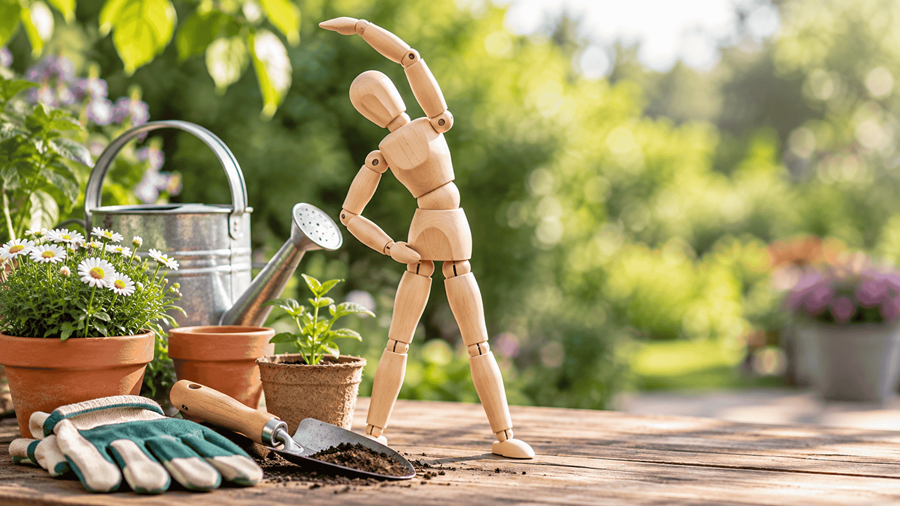
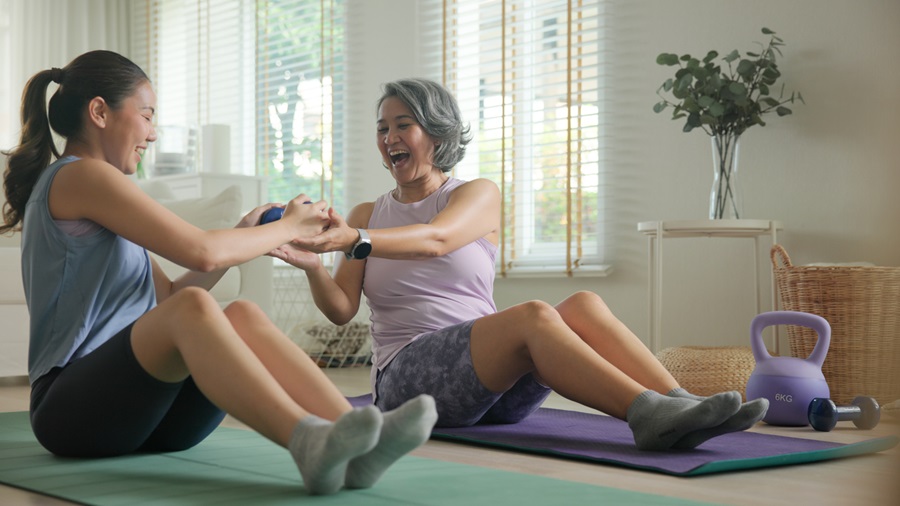
Everyday aches and pains: Simple ways to keep moving
Feeling stiff after sitting or achy after gardening? Discover simple ways to prevent and manage everyday muscle and joint discomfort.Full story -
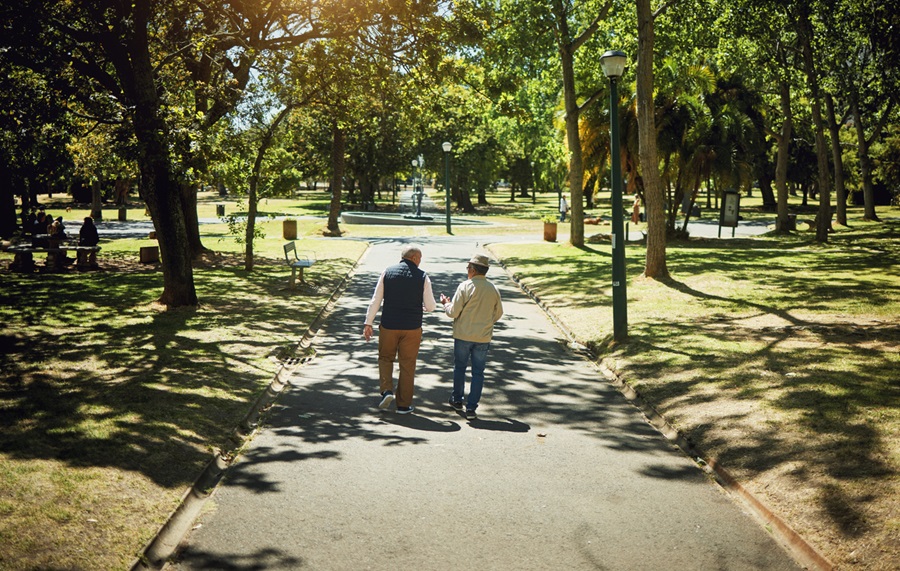
How age-friendly public spaces support independence and connection
The design of public spaces can shape whether older adults can move through their communities, participate in meaningful activities, and stay connected socially and with their communities with autonomy and dignity. Removing environmental barriers and engaging older adults in planning can help create communities in which people are better supported to live independently and participate fully as they age.Full story -
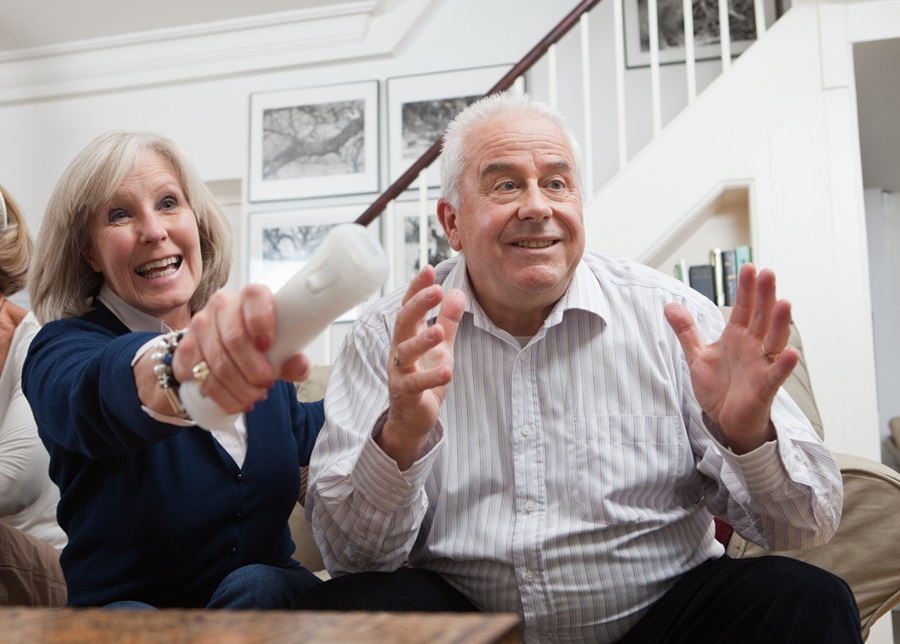
3 potential health benefits of playing video games
Getting our “game” on for better health? Research highlights some of the potential physical and cognitive benefits of playing certain video games.Full story -
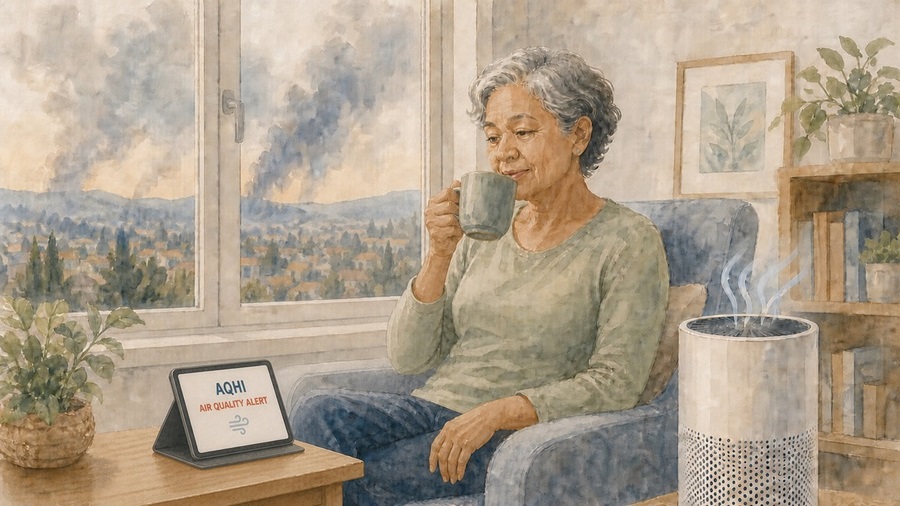
Wildfire smoke as we age: What to know and how to protect your health
Why might wildfire smoke pose greater risks as we get older? Discover what can increase vulnerability and the practical steps to help you prepare, limit exposure, and respond with confidence.Full story -
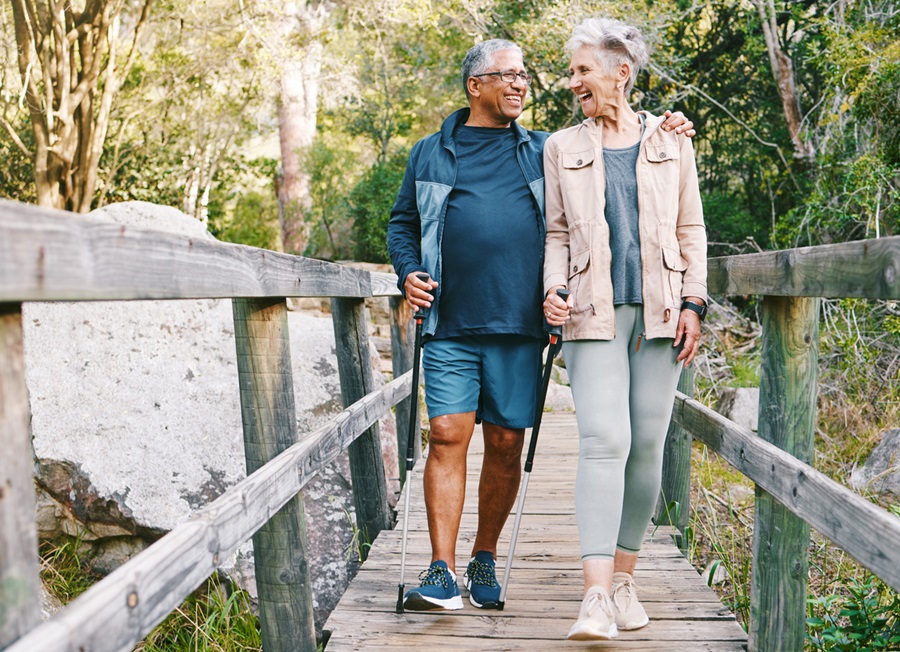
Step-by-Step: Walking for Parkinson’s disease
Research highlights the benefits of walking programs for people living with Parkinson’s disease.Full story -
3 tips to support brain health
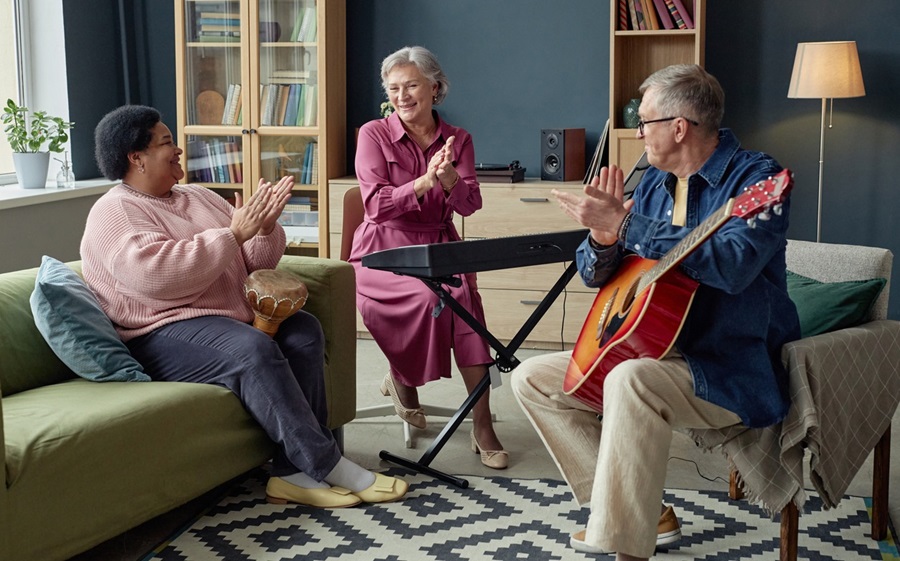
Keeping brain health “top of mind” through aerobic exercise, music-making, and protecting our senses.Full story -
More than a ride: What paratransit means for older adults’ independence
Paratransit is more than transportation. For many older adults, it is a connection to healthcare services, relationships, essential services, and community life. Building better paratransit systems requires listening to users and measuring success through whether people travel with reliability, dignity, and control.Full story -
3 ways to support safer driving as we age
Paving the road to safer driving by protecting our senses, participating in driving training, and incorporating smart technologies.Full story -
Exercise following menopause: What works for bone health?
Minding the health of our bones! Research explores what types of exercise can improve bone density in women who’ve gone through menopause.Full story -
Video games and aging: Are there real benefits?
Can virtual reality games do more than entertain? New research explores their potential to support our cognition as we age.Full story -
Don't ignore the signs: Supporting men's mental health as we age
Would you recognize the signs if a husband, son, brother, or friend was struggling with their mental health? Learn how signs of depression in men can look different, why many men don't seek help, and how they can be supported.Full story -
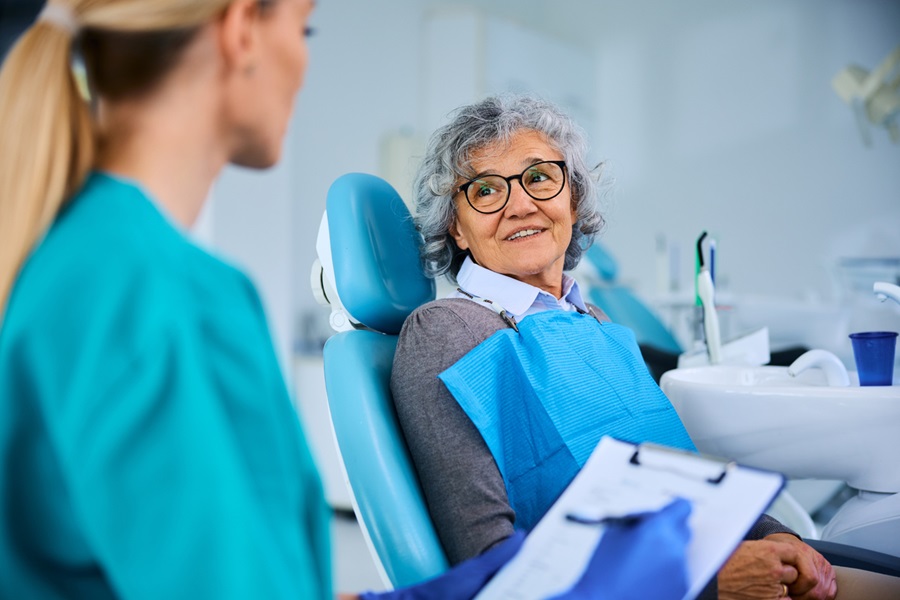
Dealing with dry mouth: Let’s talk about strategies
Dry mouth is more than just annoying. Why does it happen, how does it affect your dental health, and what can be done?Full story -
Getting “deep” to keep our gums and bone healthy
Bleeding gums? Loose teeth? You may have periodontal disease. Learn more about one of the standard treatments for this condition.Full story -
Engaging in the arts to improve mental well-being
Research explores the effects of group art-based programs on depressive symptoms.Full story -
Taking control of your blood pressure: What the new guidelines mean for you
High blood pressure often has no symptoms, yet it remains one of the leading risk factors for heart disease, stroke, kidney disease, and dementia. Learn what the new 130/80 blood pressure target means, how hypertension is diagnosed today, and what you can do to protect your long-term health.Full story -
Managing migraine: Safe treatment and prevention strategies
Migraine management involves more than treating pain when it happens. Learn about medication safety, preventing rebound headaches, and the daily habits that may help reduce how often migraine occurs and improve quality of life.Full story -
Is it migraine? Symptoms, triggers, and when to seek care
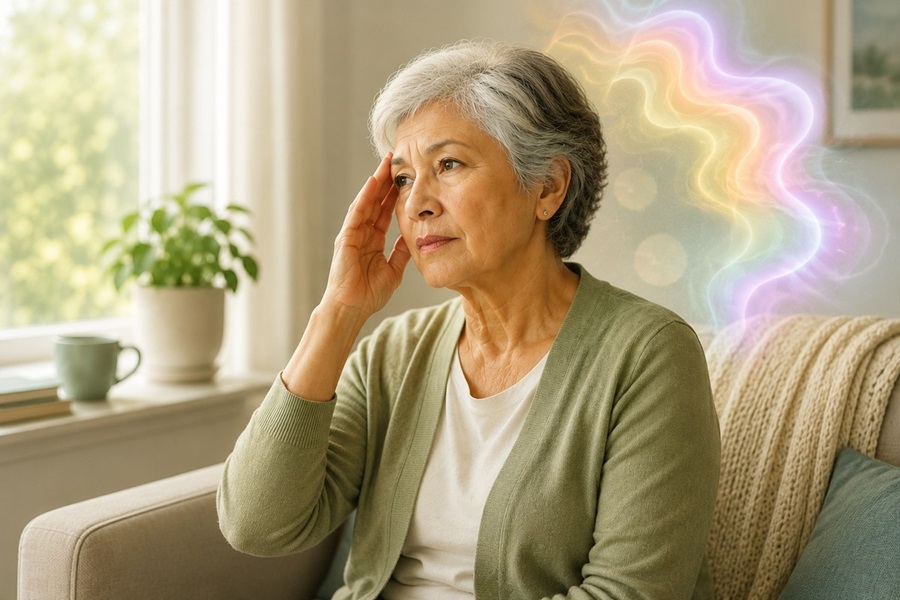
Migraine is not just a “bad headache”. It is a complex neurological disorder that can be disabling and affect many aspects of daily life. With 1 in 7 Canadians experiencing this chronic condition, if it doesn’t affect you directly, it likely affects someone you know. Learn what migraine is, how it’s diagnosed, how it can change with age, and when to seek urgent care.Full story -
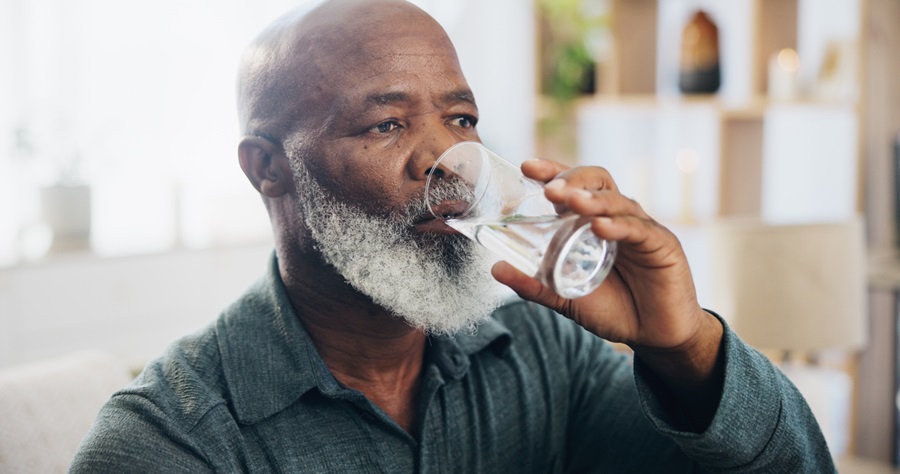
Why does heat get harder as we age?
From changes in circulation and hydration to medications that affect heat tolerance, aging can make hot weather riskier than many people realize. Understand your personal risk factors and learn steps you can take to stay safe in the heat.Full story -
Walking your way to better health after age 65
Do you really need 10,000 steps a day to stay healthy? Discover what the latest research says about walking, mobility, balance, and healthy aging, including why walking speed may matter more than you think.Full story -
Getting interactive with our brain health through e-learning lessons
Learn about brain health through the McMaster Optimal Aging Portal’s interactive e-learning lessons.Full story