Blog Posts
Page 13 of 26
-
Heart health: Separating fact from fiction
February is heart month in Canada, a time to raise awareness around the importance of cardiovascular health and the things that can impact it. We separate fact from fiction to help you identify the evidence-based approaches you can take.Full story -
World Cancer Day 2022: Strategies for cancer prevention
In Canada, cancer is the leading cause of death, but the good news is that up to 50% of all cancer cases are preventable. You can reduce your risk by improving key lifestyle factors, including your diet, the amount of activity you do, and by eliminating harmful substances.Full story -
5 mental health and self-care strategies
The conversation about mental health and well-being is one we need to continue year-round. Strengthen your own mental well-being through using the above strategies and remember to check in with others. While we may be physically distant, we can remain emotionally close.Full story -
When is it time to hang up the keys? Making informed decisions about driving
When it comes to driving, it is not your age that determines your abilities, it is your health. Driving enables older adults to remain connected to their communities, maintain social ties, and access needed services, particularly in rural areas lacking public transit. Helping older adults stay safe on the road is just as important as ensuring they maintain their independence by driving as long as (safely) possible.Full story -
4 things you can do to prevent slips and falls this winter
In Canada, 1.6 million seniors fall each year, and more than half of those falls result in serious injuries. These 4 fall prevention strategies can help keep you steady on your feet this winter and beyond.Full story -
5 ways to beat the winter blues
Don’t let the winter blues get you down. Find an activity that is safe and accessible and make it a part of your daily or weekly routine. Maintaining physical and mental health is an important part of healthy aging.Full story -
Optimal aging content highlights from 2021
As 2021 ends, many of us are reflecting on the past year – the highs and lows, accomplishments, and experiences we had. For many, a new year also signals a fresh start and an opportunity to set new goals and intentions. As we say goodbye to 2021, we reflect on some of the content highlights from the past year that will help you continue to age optimally in 2022 and beyond.Full story -
Leaning on technology to stay connected this holiday season
Maintaining social connections, throughout the holidays and beyond, can help reduce feelings of loneliness and social isolation. So, while this holiday season may look a little different, we can still make the most of it and feel emotionally close to get through these challenging times.Full story -
The importance of a good night’s sleep as you age
As we get older, our sleep habits may change, but one thing remains the same – getting a good night’s sleep is important. While there is no magic number when it comes to the hours of sleep needed, lack of sleep can have negative consequences to our health and be a symptom of health problems such as neurodegenerative diseases and unhealthy weight (and sleep apnea that accompany unhealthy weight).Full story -
4 strategies for a happy and healthy holiday season
The holidays are a busy time of year often filled with many indulgences. While it is important to enjoy this time of year, there are a few ways you can keep your health a top priority and still enjoy the festive season.Full story -
How your brain can benefit from exercise
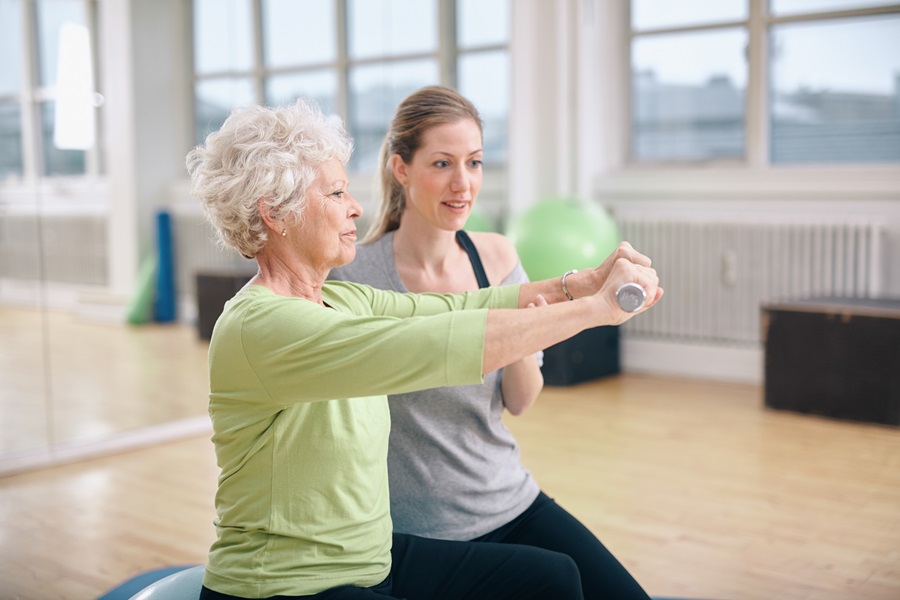
When we think about exercise, we often think about the physical benefits it provides – stronger muscles, increased flexibility, better stability and more. But did you know, exercise can also have positive effects on your brain’s health?Full story -
Aging optimally by leveraging digital health technology
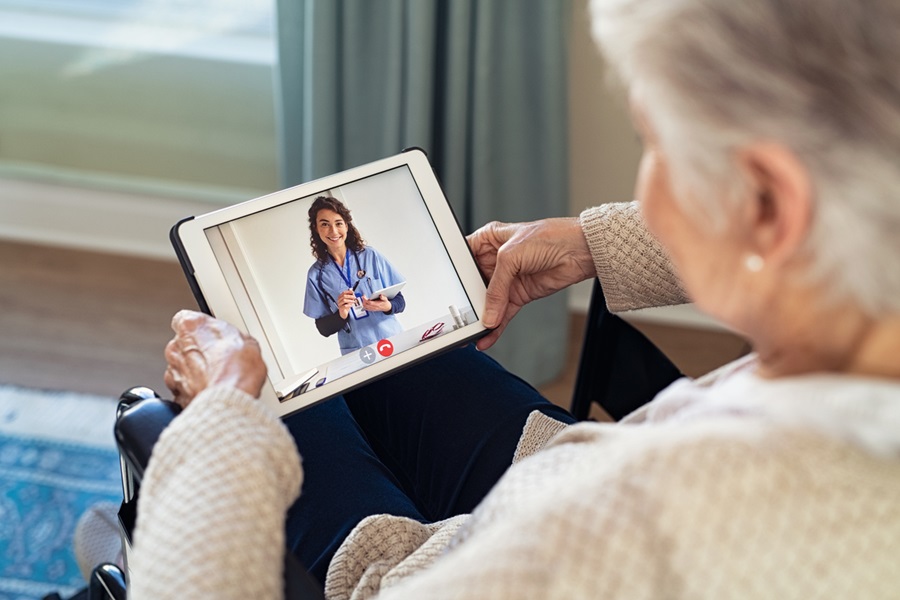
Technology plays a big role in the evolving digital healthcare landscape and impacts almost every aspect of our life. Embracing new technologies can be to our benefit by enabling us to live a healthy lifestyle.Full story -
How to recognize and report signs of abuse
To prevent abuse from happening, it is important that older adults recognize signs of abuse and understand how to report it. Caregivers should also educate themselves on how to recognize signs of abuse and neglect, so they can help stop it from happening too.Full story -
3 strategies for managing type 2 diabetes
Diabetes is one of the biggest global health crises of the 21st century, with over 420 million people living with the disease globally – a number that continues to rise. Type 2 diabetes is the most common type of diabetes, and those who live with it face a long-term battle. The good news is type 2 diabetes can be managed with a few approaches.Full story -
Reduce your risk of falling with these 3 strategies
While you might think falling is a natural consequence of getting older, it is the result of several age-related factors including loss of muscle strength and balance. The good news is, falls can be prevented by adjusting your home environment, through exercises that promote strength and balance, and by being mindful about your foot health.Full story -
Staying active as the seasons change
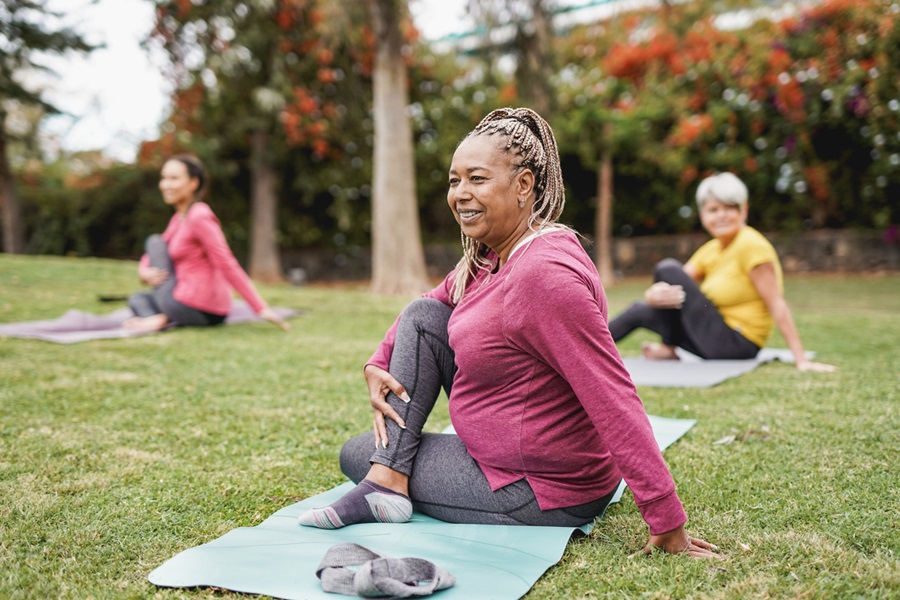
Physical activity is not only important for our physical health, but it also has immense benefits for our mental health. Read on for a few helpful suggestions on how to keep your body moving through the remaining weeks of fall and throughout the winter months.Full story -
October is Breast Cancer Awareness Month
October is Breast Cancer Awareness Month, dedicated to driving awareness about prevention, detection, diagnosis, and treatment options. Whether you are a breast cancer survivor, know of someone fighting breast cancer, or simply want to educate yourself further about it, our evidence-based resources are a good place to start. Read on for information about overall lifestyle factors that contribute to your risk of developing cancer, screening, treatment options and more.Full story -
Managing arthritis pain so you can live well
Over 4.7 million Canadians aged 50 years and older live with arthritis and while it is more common as you age, joint pain is not a normal part of aging. Learn more about evidence-based approaches for managing your arthritis and reducing symptoms.Full story -
World Mental Health Day: 3 strategies to improve your well-being
Mental health and emotional well-being are critical considerations for our aging population. According to the World Health Organization, approximately 15% of adults aged 60 and over suffer from a mental disorder. Explore our resources below for more information about strategies you can use to treat, manage, and prevent depression and improve your mental well-being.Full story -
September is World Alzheimer’s Month: Resources for caregivers and older adults
Early diagnosis of dementia is important for life planning, as well as for learning about and accessing the best available treatments. Supporting caregivers of loved ones with dementia is important as the emotional and physical demands can be enormous. Fortunately, there are multicomponent strategies that can be used to support family caregivers, allowing them to care for themselves while continuing to care for their loved ones.Full story