Topic
Blog Posts: Memory and cognition
-
3 tips to support brain health
Keeping brain health “top of mind” through aerobic exercise, music-making, and protecting our senses.Full story -
Video games and aging: Are there real benefits?
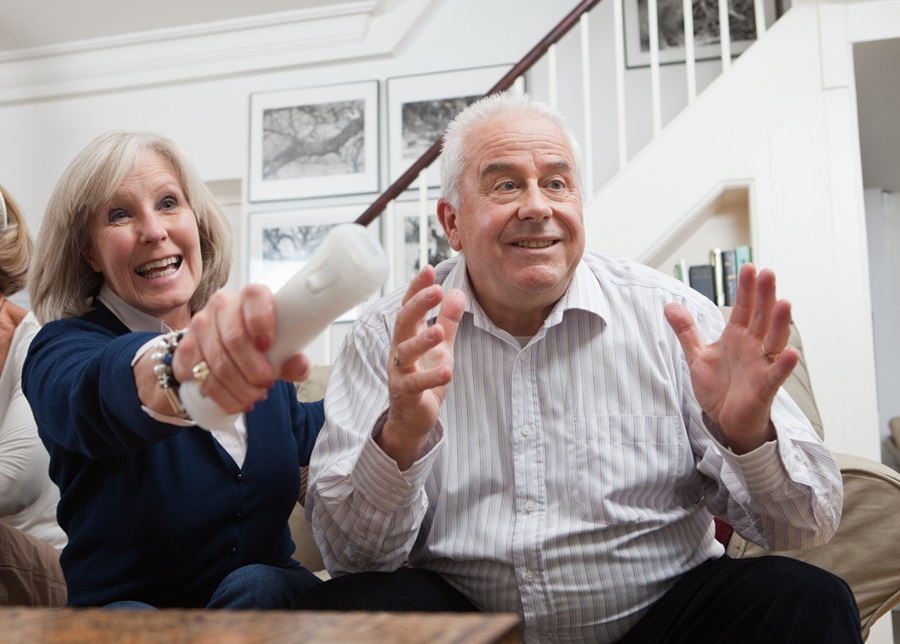
Can virtual reality games do more than entertain? New research explores their potential to support our cognition as we age.Full story -
Getting interactive with our brain health through e-learning lessons
Learn about brain health through the McMaster Optimal Aging Portal’s interactive e-learning lessons.Full story -
When confusion strikes quickly: Recognizing and preventing delirium
Delirium is a sudden, confused state of mind. Up to 3 out of 4 older people can experience delirium after surgery or a serious illness. Learn more about what can trigger delirium, the signs and symptoms, who is most at risk, and what you can do to help prevent it in a loved one.Full story -
Linking cognition and mobility
Research highlights the benefits of exercise for our body and mind! Don't miss tips and tricks on how to get and stay active.Full story -
Linking sensory loss to cognitive decline
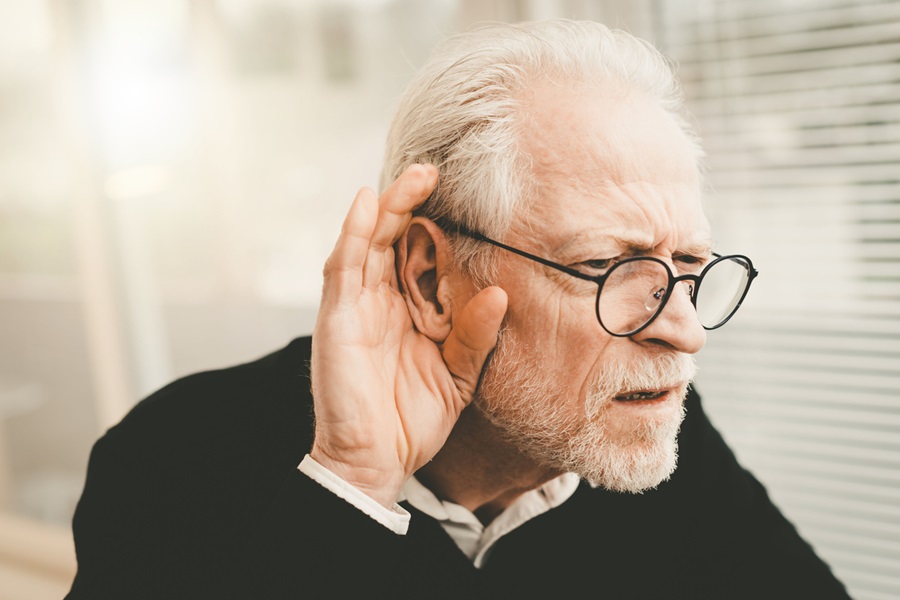
Are sensory loss and cognitive decline linked? Find out what the research has to say!Full story -
Aging does not occur in silos
Research explores the links between changes in hearing, vision, mobility and cognition.Full story -
Improving cognitive skills with aerobic exercise
Aerobic exercise “flexes its muscles” when it comes to cognitive health.Full story -
Assistive Technology Made Easy: Exploring the AccessATCanada Navigation Portal
Navigating the world of assistive technology can feel overwhelming, but the AccessATCanada navigation portal changes the game by simplifying the process of finding programs and services in Canada. With tools that let users refine searches by location, technology type, and eligibility criteria, the portal offers a personalized way to connect with life-changing resources.Full story -
What is Alzheimer disease?
In this 2-minute video, Dr. Anthony Levinson gives an overview of Alzheimer disease, its prevalence, signs and symptoms, and the difference between normal age-related cognitive changes and dementia.Full story -
Genetics and dementia: What's the connection?
In this webinar recording, Drs. Tricia Woo and Anthony Levinson demystify the role that genetics and other non-modifiable risk factors play in a person's risk of developing dementia. Discover the difference between sporadic and familial Alzheimer disease and learn about the role of susceptibility genes in increasing your risk. Learn about genetic testing and who should get a test. Explore how to reduce your risk, delay the onset, or slow the progression of dementia by addressing various modifiable risk factors to reduce damage to the brain and to increase capacity.Full story -
Cause for concern? Medications and falls in people living with cognitive impairment
Research addresses questions around side effects related to commonly prescribed cognitive enhancers.Full story -
Coping strategies for memory loss
Older adults, whether cognitively impaired or not, use three types of strategies to cope with memory loss: external, internal and behavioural strategies.Full story -
‘Behind the Music’: Music-making for cognitive health
Do you or a loved one live with cognitive impairment or dementia? You may want to try or consider music-making therapy. Preliminary research shows benefits for cognitive function.Full story -
Learn a new language to train your brain and more
There is no age to learn a new language. Learn about the benefits of learning a new language on the quality of life and cognitive abilities in healthy older adults.Full story -
5 evidence-based tips for living with mild cognitive impairment or dementia
Are you or someone you know living with mild cognitive impairment or dementia? Research points to five strategies that can help improve cognitive and mental health.Full story -
Are aspirin and other non-steroidal anti-inflammatory drugs effective for preventing dementia?
If you’re interested in aspirin and other non-steroidal anti-inflammatory drugs as a dementia prevention strategy, you should know that current evidence doesn’t support their use for this purpose and raises red flags around potential health risks.Full story -
Let’s get visual! The “art” of improving cognitive ability and mental wellbeing
Can leaning into your “artsy” side enhance your cognitive health? See what the evidence has to say about the use of visual art therapy for people with different levels of cognitive health.Full story -
Cognitive impairment and dementia: Using cognitive training to cope with the accompanying depression
Coping with the consequences of mild cognitive impairment or dementia is difficult enough without having to deal with depression as well. Can cognitive training provide any relief when it comes to depression?Full story -
Taking a seat for better health? The benefits of modifying exercise for people with health conditions
Seated exercise may hold benefits for cognitive health in older adults with health conditions.Full story