Blog Posts
Page 4 of 33
-
Getting active with dance-based video games
Put on your dancing shoes? The combination of dancing and video games may improve some aspects of physical function.Full story -
Move more with less pain: A physical activity guide for hip and knee osteoarthritis
Discover how physical activity can help reduce joint pain and improve mobility—without putting extra stress on your body.Full story -
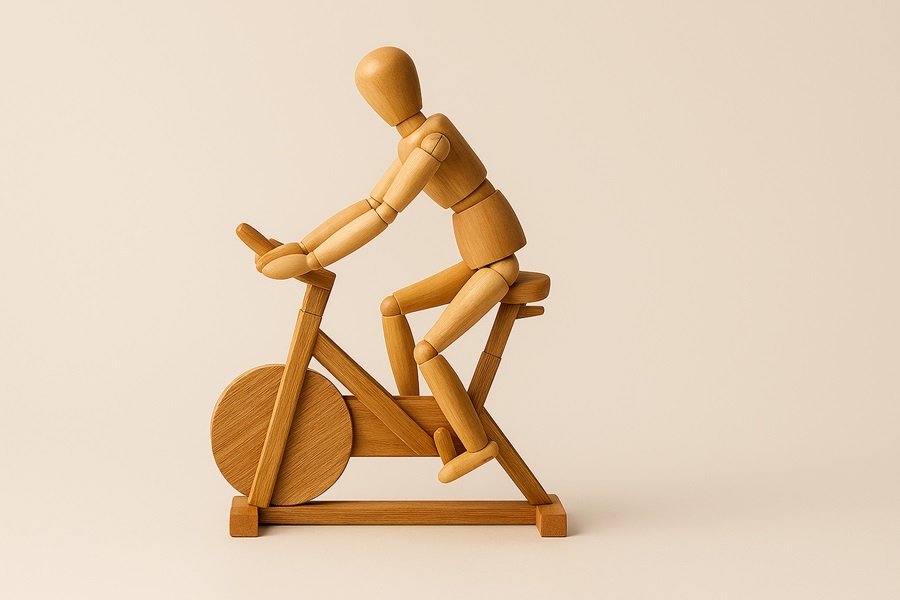
3 evidence-based benefits of aerobic exercise
From cognition to blood sugar, research highlights the diverse benefits of aerobic exercise.Full story -
Incentives for quitting smoking: Where does the evidence stand?
Research investigates whether incentive-based programs that aim to help people quit smoking are effective in the long term.Full story -
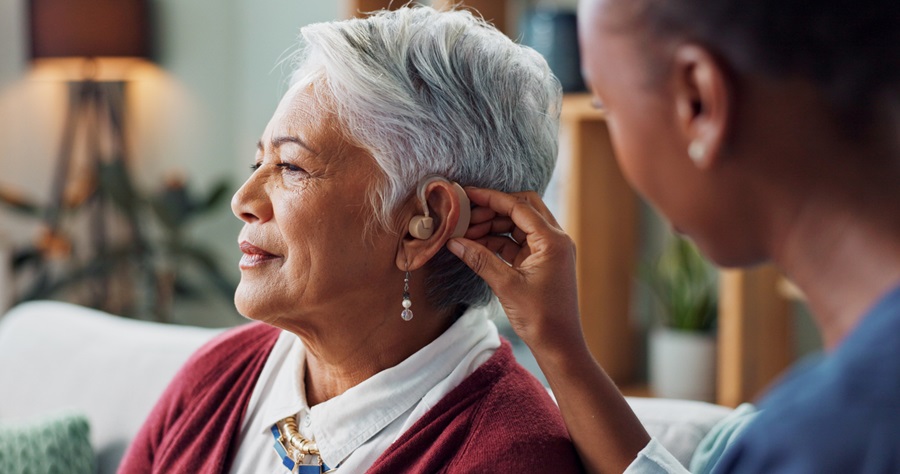
Implementing hearing and vision health strategies
Get in touch with your senses! Learn more about recommended strategies to help tackle vision and hearing loss.Full story -
Linking sensory loss and mobility
Learn more about moving safely with good hearing and vision.Full story -
Linking cognition and mobility
Research highlights the benefits of exercise for our body and mind! Don't miss tips and tricks on how to get and stay active.Full story -
Linking sensory loss to cognitive decline
Are sensory loss and cognitive decline linked? Find out what the research has to say!Full story -
Aging does not occur in silos
Research explores the links between changes in hearing, vision, mobility and cognition.Full story -
3 outdoor activities and their effects on our health
Looking for outdoor activities that can improve your health? Learn what walking, guided gardening, and forest therapy have to offer.Full story -
Women and stroke: Risk, recovery, and prevention
Women face unique stroke risks, including older age at first stroke, higher likelihood of living alone, and greater pre-stroke disability. Learn about the sex and gender risk factors for stroke, including how stroke presents differently in women, and the important role exercise plays in reducing risk.Full story -
Supportive Connections: A Powerful Tool Against Ageism in Later Life
Ageism doesn’t just come from others—it can take hold within ourselves as well. But one of the most effective ways to push back against ageism is also very simple: supportive and meaningful connection with others.Full story -
Understanding body dysmorphic disorder: It's not about vanity
As we age, it’s natural to notice changes in our appearance—wrinkles, thinning hair, or shifts in body shape. For some people, these changes can become a source of intense distress and preoccupation. In this 2-minute video, clinical psychologist Dr. Karen Rowa explains what body dysmorphic disorder is, how it differs from normal appearance concerns, the emotional and mental health impact, and treatment options. Then read on to learn who it affects and why it’s often missed.Full story -
Dietitian-delivered nutrition therapy for high blood pressure
Research investigates the role dietitians play in helping to lower blood pressure.Full story -
Supporting Bereavement in Later Life: What Older Adults Need to Know
Grief can feel isolating at any age, but in later life, it can come with added challenges. But, no one has to navigate grief alone—find out how to get support.Full story -
3 tips for people living with cardiovascular diseases
Living with a cardiovascular disease? Research points to strategies that can improve physical and mental health.Full story -
Understanding binge eating disorder
Any eating disorder can negatively impact healthy aging. Binge eating disorder (BED) may affect about 20% of women aged 60 and over. In this 2-minute video, psychiatrist Dr. Jennifer Couturier explains the symptoms of BED, its emotional impact, common misconceptions, and potential treatments. Then read on to learn about the causes, risk factors, and potential health consequences.Full story -
Supplements for falls prevention: What role can vitamin D and calcium play?
Research looks into whether vitamin D and calcium supplementation are effective for fall prevention.Full story -
Is it normal aging or mild cognitive impairment?
Understanding the difference between normal aging and mild cognitive impairment (MCI) is crucial for recognizing when cognitive changes may require attention. Learn more and watch a webinar recording where Drs. Anthony Levinson and Richard Sztramko provide valuable insights into these distinctions, the risk factors, and strategies for managing cognitive health.Full story -
3 strategies to gear up to get blood pressure down
Research highlights strategies that can play a role in lowering high blood pressure.Full story